

9 Best SHEIN Alternatives for Quality Fashion in Canada
Last Updated: November 10, 2026
Quick Summary
The best shein alternatives for quality fashion in Canada compare total cost of ownership, fabric composition, construction and fit rather than chasing the lowest price. Check material lists for clear fiber percentages, read reviews written weeks after purchase for wear comments, and use cost-per-wear to judge value. H&H Goods offers curated trend pieces at fair prices with 30-day returns.
- Compare cost-per-wear instead of price per piece to judge real value.
- Vague labels like premium fabric tell you nothing; look for named fiber percentages.
- Spandex in the 2% to 8% range is typical; higher amounts feel rubbery and lose shape faster.
- Read reviews written a few weeks after purchase for pilling, stretching or fading comments.
- Check the size chart measurements and the 30-day returns policy before ordering.
Table of Contents
- Why Shein Prices Are Hard to Match and What to Compare Instead
- How to Check Clothing Quality Online Before You Buy
- Fabric Composition: Reading Labels to Predict Durability
- H&H Goods Picks for Quality Fashion at Fair Prices
- Cost-Per-Wear: Why a Higher Price Can Cost Less
- Ethical Alternatives to Shein: What Transparency Looks Like
- Sizing, Returns and Shipping: Choosing a Shein Alternative Without the Hassle
- Choosing Your First Order to Test Quality Fashion
- Frequently Asked Questions
Shoppers who have bought from SHEIN know the appeal: trendy pieces at prices that are hard to match, which is why many go looking for shein alternatives that offer similar style. The trade-off is often fabric that pills after a few washes and sizing that changes from one order to the next. H&H Goods carries a curated range of trend-driven pieces at fair prices, so this guide from H&H Goods looks at what to compare when you want quality fashion without the constant disappointment.
Why Shein Prices Are Hard to Match and What to Compare Instead
Chasing the lowest price on every item is the wrong comparison. Price per piece tells you little when a garment lasts two seasons instead of six. Look instead at the total cost of owning the item: how often you will wear it, how well it holds its shape, and whether it still looks right after washing.
Some shoppers simply prioritize SHEIN-like prices and trend variety. That is a fair choice, but it means accepting that price is the main thing you are buying. If quality matters as much as cost, widen your comparison to fabric, construction and fit.
How to Check Clothing Quality Online Before You Buy
Product photos rarely show how a garment will hold up. Read the listing closely and look for the details that predict durability.
- Check the material list. A clear fiber breakdown is a good sign. Vague descriptions like "premium fabric" tell you nothing.
- Look for construction details. Reinforced seams, finished edges and lined areas usually mean more care went into the piece.
- Read the size specifications. Measurements in centimetres or inches matter more than a size label.
- Study the reviews for wear comments. Customers who mention pilling, stretching or fading after a few washes are giving you the information a photo cannot.
A common mistake is judging quality from the first photo alone. Reviews written a few weeks after purchase are far more useful than the first week's praise.
Fabric Composition: Reading Labels to Predict Durability
Fiber content is the single best predictor of how a garment will behave after ten washes, and it is the first thing to check when comparing shein alternatives. Most shoppers skim the material list; the ones who get durable clothes read it like a spec sheet. The label tells you what the fabric is made of, and the percentages tell you how much of each behavior you are buying.
Start with the order of the list. Fibers are listed by weight, so the first name carries the most influence. A top listed as 60% cotton, 40% polyester will feel and wash more like cotton than polyester, even though both are present. If the first fiber is one you dislike, the garment will mostly behave like that fiber.
What each common fiber actually does
- Cotton breathes well, takes dye cleanly and softens with washing, but it can shrink and wrinkle. Look for combed or ring-spun cotton on better basics; it pills less than standard carded cotton.
- Wool and merino regulate temperature and resist odor, but they need cool washing and flat drying. A higher wool share usually means better warmth per gram.
- Polyester is strong, colorfast and quick-drying, but it traps odor and can pill when spun from short fibers. Recycled polyester behaves similarly to virgin polyester in wear.
- Spandex (elastane) supplies stretch and recovery. Small amounts, 2% to 8%, are common in leggings and fitted tops; above that, the garment tends to feel rubbery and lose shape faster.
- Viscose, rayon and modal drape softly and feel cool, but they are weaker when wet and prone to stretching on the hanger.
- Nylon adds abrasion resistance, which is why it shows up in outerwear, swimwear and sock blends.
Reading a real blend
A leggings listing at 82% polyester and 18% spandex tells you the fabric will stretch and recover, dry fast and hold color, but the high spandex share means it may feel tight and degrade faster with heat. A sweater at 70% cotton and 30% wool will breathe, hold shape reasonably well and need cool washing. A tee at 100% cotton is simple and breathable but will shrink unless it is pre-shrunk; check the listing for that detail.
Watch out: a label that says only "polyester blend" or "premium fabric" without percentages is a red flag, you cannot predict pilling, shrinkage or stretch from a vague description, so treat it as an unknown.
Match the fiber to the job
Use the label to answer one question: what will this garment do most often? For everyday layers, natural-heavy blends (cotton, wool, modal) breathe better and look less shiny. For activewear and rain shells, synthetic-heavy blends win on quick drying and abrasion resistance. For pieces you plan to wash weekly, avoid high-spandex fitted items and delicate viscose unless you will hand-wash.
A practical habit: before checkout, screenshot the fiber list and compare it with a piece you already own and like. If the blend is close, the new item will probably behave the same way. That single comparison prevents most of the "ruined after three washes" purchases that make cheap fashion expensive.
The table below sums up how the main fibers behave, so you can read a label and predict how a garment will wear.
| Fiber | Behavior | Watch for |
|---|---|---|
| Cotton | Breathes well, softens with washing | Can shrink and wrinkle |
| Wool and merino | Regulates temperature, resists odor | Needs cool washing and flat drying |
| Polyester | Strong, colorfast, quick-drying | Traps odor, can pill |
| Spandex (elastane) | Adds stretch and recovery | 2% to 8% is typical; more feels rubbery |
| Viscose, rayon, modal | Drapes softly, feels cool | Weak when wet, stretches on hanger |
| Nylon | Adds abrasion resistance | Common in outerwear and swimwear |
H&H Goods Picks for Quality Fashion at Fair Prices
H&H Goods offers a curated range of trend-led pieces for shoppers who want to update their wardrobe. Each section below covers what to look for in these styles.
Outerwear and Knitwear: Beige Cozy Winter Pullover and Autumn Hoodies
The Beige Cozy Winter Pullover is a thick beige pullover with a loose fit and O-neck design, priced at $61.95 CAD. It is designed for layering.
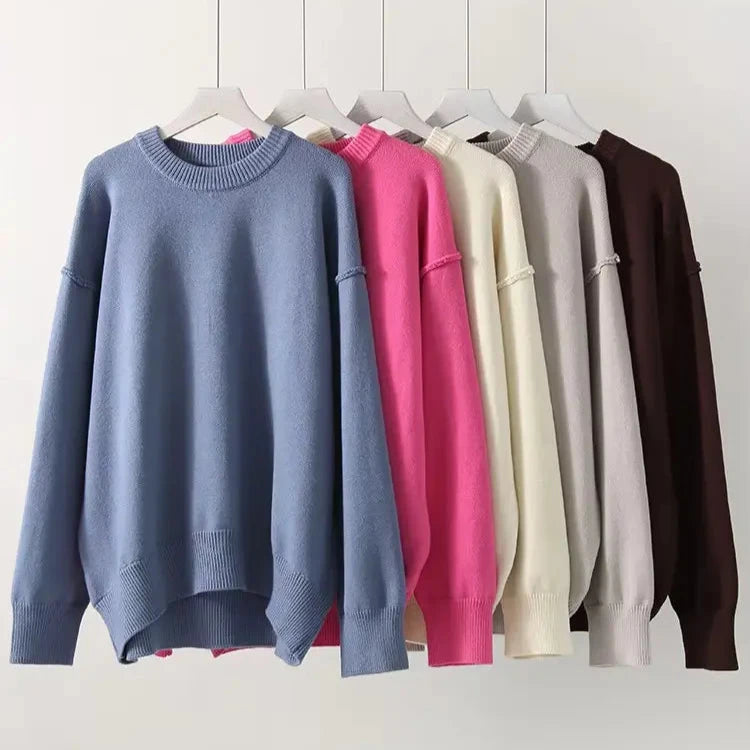
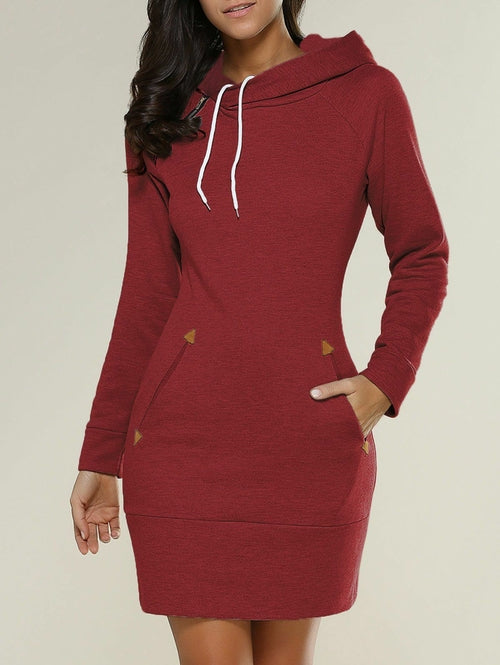
For a lighter option, the Autumn Hoodies Women Sweatshirts Long Sleeve Clothes Hooded Zipper comes in a slim knitted pullover style at $45.31 CAD. The Fashion Designer Hoodies Sweatshirts Mens Couple Men Top Solid Color, at $48.00 CAD, is listed as 100% cotton with a thick weight, which suits shoppers who prefer natural fiber and a streetwear fit.
Bottoms and Activewear: Corduroy Pants and Leggings
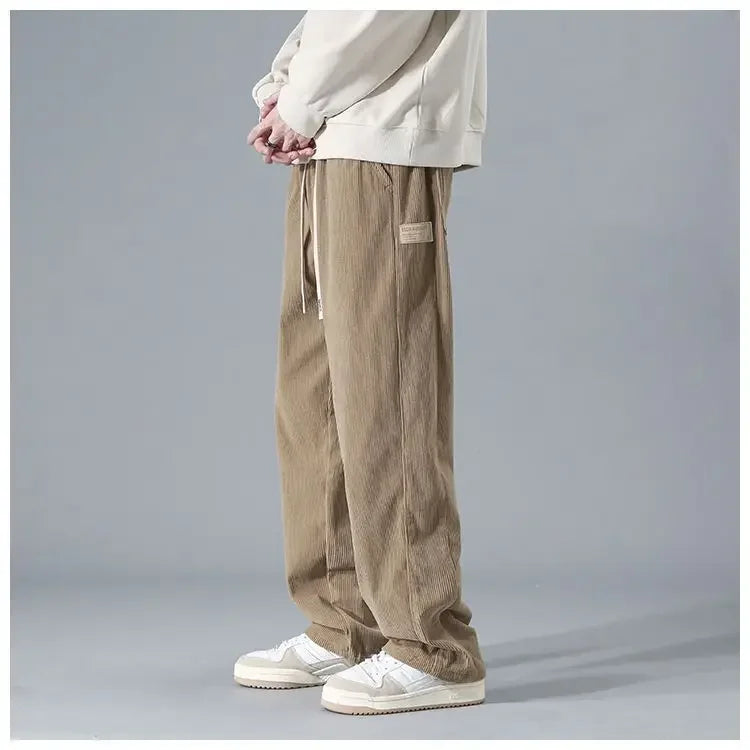
The Men's Trendy Corduroy Pants at $36.95 CAD use corduroy with a loose fit and are listed for spring and autumn wear.
For activewear, the Womens Carbon Fiber Sports Leggings are listed at $74.99 CAD in a polyester and spandex blend with four-way stretch and moisture-wicking fabric. The Turquoise Sports Capri Leggings at $64.99 CAD use the same blend if you prefer a shorter length.
Cost-Per-Wear: Why a Higher Price Can Cost Less
Cost-per-wear is simple arithmetic: divide the price by the number of times you wear the item. A $75 pair of leggings worn 60 times costs $1.25 per wear. A $25 pair that pills and loses shape after 8 wears costs over $3 per wear.
Use this check before you buy. Ask whether you will wear the piece at least a few times a month, and whether the fabric will still look good after your usual wash routine. Basics you reach for constantly, like a pullover or a pair of pants, usually give the best return.
Ethical Alternatives to Shein: What Transparency Looks Like
Transparency is not a badge; it is a set of disclosures you can check in a few minutes. The useful question is not "is this brand ethical?" but "what does this brand actually tell me, and does it match what I can verify?" Most shoppers never ask, which is why vague claims survive.
The five disclosures worth checking
- Country of origin. A specific country on the product page or label is a baseline. "Made responsibly" without a country tells you nothing.
- Factory or supplier information. Stronger retailers name the factories or at least the regions they use, and some publish a supplier list.
- Material sourcing. Look for named fibers and, where relevant, certifications such as GOTS for organic cotton or OEKO-TEX for chemical safety. These are third-party standards, not self-declarations.
- Labor commitments. A code of conduct is common; what matters is whether the retailer says how it is audited and whether audit results are summarized publicly.
- Production model. Print-on-demand, made-to-order and small-batch production change lead times and waste profiles. Knowing the model helps you plan around longer shipping.
How to read a transparency page without being fooled
A common pattern is a page full of nature imagery and the word "conscious" with no numbers. Treat that as marketing until you find specifics: a country, a fiber percentage, a certification name or a factory list. If a brand publishes a supplier list, check whether it is dated and whether it covers the products you are buying, not just a legacy line.
Watch out: a certification logo on a product page does not always mean the whole garment is certified, it may cover only the fabric or a specific fiber. Read what the certificate scope says before you treat it as a guarantee.
Where budget alternatives fit
The practical takeaway: compare alternatives on disclosures, not slogans. A retailer that names its fibers, countries and production model is easier to hold accountable than one that only says it cares. That is a more useful test than any ethical rating you cannot trace back to a source.
Sizing, Returns and Shipping: Choosing a Shein Alternative Without the Hassle
Sizing is the most common reason online orders fail. Check the size chart before you order, and compare your measurements with the garment's listed dimensions rather than relying on your usual size label.
Before buying, check the shipping timeline and the returns policy. H&H Goods offers fast shipping and hassle-free 30-day returns, so you have time to try pieces on at home.
Choosing Your First Order to Test Quality Fashion
Start small. Pick one or two pieces you will wear often, such as a pullover and a pair of pants, rather than a full outfit. Wash them as the care label says, wear them for a few weeks and then judge the fabric, fit and finish.
If the pieces hold up, expand your wardrobe with the same care. If they do not, you have spent little and learned what to avoid next time. Explore the full H&H Goods collection to find your next pieces.
[INTERNAL_LINK]
Frequently Asked Questions
What are the best alternatives to SHEIN for better-quality clothes?
The strongest alternatives are stores that publish fabric content, provide detailed size charts and offer clear return terms. Compare each option on the three things that drive durability: fibre content (cotton, wool and blends with a high natural-fibre share generally hold shape better than thin synthetics), seam finish and fit consistency.
Which affordable clothing stores have better quality than SHEIN?
Quality varies by item more than by store, so judge individual pieces rather than brand reputation. Look for stores that describe materials specifically, not just as 'soft' or 'premium', and that show measurements. A low price alone does not indicate poor quality, but a product page with no fabric information or vague sizing is a warning sign.
How can I tell if an online clothing store is reliable?
Check for a clear return policy with a stated timeframe, visible shipping information with delivery estimates, and specific contact details. A reliable store also shows product specifications such as material, closure type and fit notes. H&H Goods offers hassle-free 30-day returns. Read recent customer reviews for comments on fit and fabric, which tend to be more useful than star ratings alone.
What should I look for when comparing clothing quality online?
Start with the fabric composition on the label or product listing, then check the stitch detail in the photos, the weight of the material described (standard, thick or thin) and the care instructions. Compare the measurements to a garment you already own that fits well. Items described with a thicker knit or a natural-fibre blend usually last longer through repeated washing than very thin synthetic fabrics at the same price point.
